
Week 2: Self Understanding as An Agent of Change

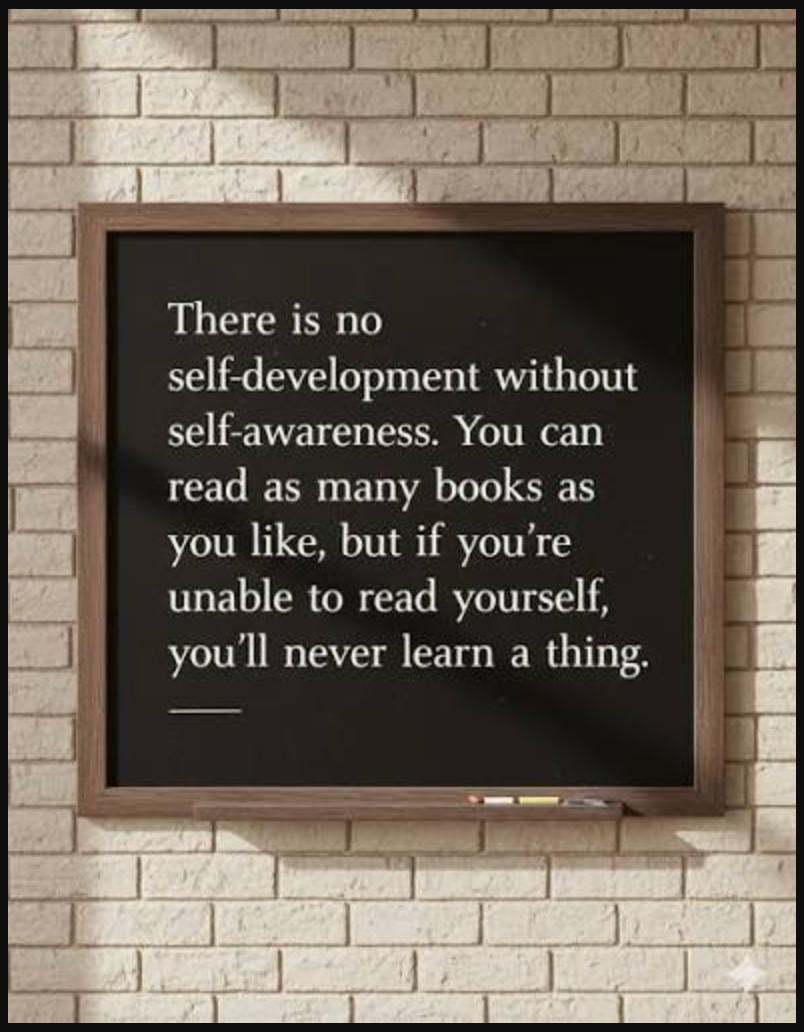
Before one can become an effective leader and agent of change, they must first understand themselves-they must understand what makes them “tick.” As a healthcare leader, I’ve come to realize that knowing who I am as a person plays a key role in who I am as a healthcare leader. It influences how I communicate with my team, respond to challenges, build relationships, and influence change. Taking the time to reflect and learn more about my personality, strengths, weaknesses, and leadership tendencies has helped me better understand the type of leader that I currently am and the type of leader that I hope to become.
After completing my personality assessment, I discovered that my personality type is INFJ-T, or Turbulent Advocate. According to NERIS Analytics Limited (n.d.), I’m 51% introverted, 63% intuitive, 52% feeling, 79% judging, and 56% turbulent. I find that those results are very accurate. Of the qualities associated with my personality type, my three favorites are creativity, empathy, and open-mindedness. I value these traits most because they're what enable me to come up with innovative ideas, understand others on a profound level, and consider a variety of perspectives when responding to problems. NERIS Analytics Limited (n.d.) described me as both creative and analytical, emphasizing that my “intuitive understanding of complex systems and human nature allows [me] to devise innovative solutions to challenging problems. However, [my] sensitivity to criticism and tendency to internalize stress can sometimes hold [me] back from fully expressing [my] unique gifts” (para. 4). Reflecting on that statement, I recognize how I have a unique ability to solve complex problems, but tendencies to doubt myself and worry about what others think have historically prevented me from expressing my ideas and perspectives.
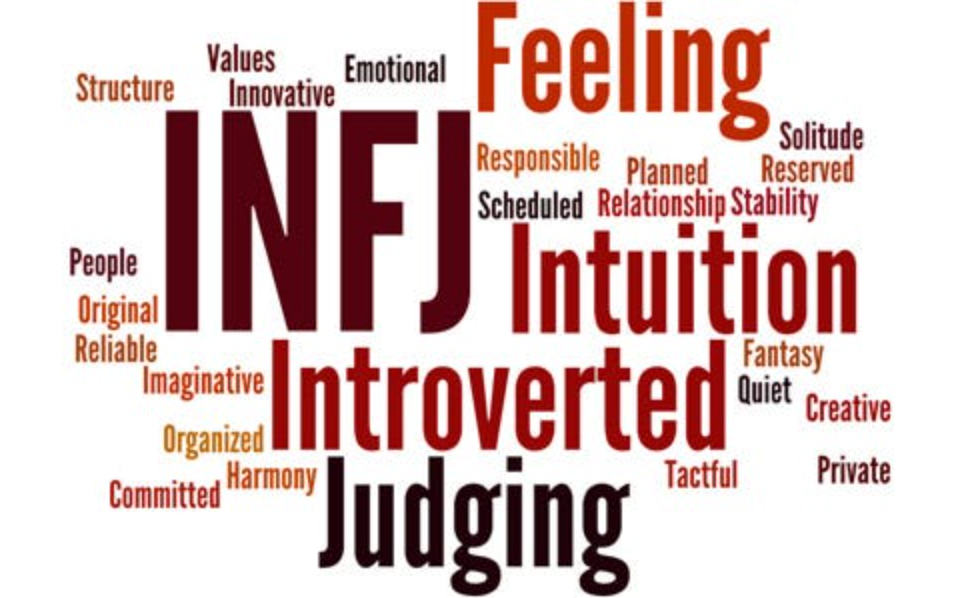
Becoming more comfortable sharing my thoughts and ideas with my leadership team is actually something that I’ve been intentionally working on and was one of the goals I set during my annual Professional Development Discussion (PPD) with my manager last year. Reflecting on the progress I’ve made in pursuit of that goal, while I still have a lot of work to do, I feel I’ve made significant growth. I’m starting to come out of my shell around fellow leaders and am becoming increasingly comfortable contributing to discussions about how we can create positive change in our emergency department and hospital in general. I owe much of that growth to having a manager who has created a supportive environment where I feel encouraged to share my thoughts, ideas, and perspectives as a new leader. One of the most helpful things she’s done is share meeting topics beforehand, giving me time to process and formulate my thoughts on any given topic. As someone who leans more towards introversion, having that extra time to think and generate ideas makes me much more apt to contribute during meetings.
Of all of my personality traits, introversion is one that is of particular interest to me. I’ve always known that I lean more towards the introverted side of things. Growing up, I thought it meant something was wrong with me and that my thoughts would never be as important as those of people with more extroverted tendencies. As a result, I learned to keep everything on the inside. I didn’t think I could have a future in any sort of leadership role. As I’ve gotten older, however, I’ve learned that couldn’t be further from the truth. I’ve learned that being an introvert doesn’t mean that I lack ideas or the ability to lead a group of people; it simply means that I take the time to observe what’s happening around me, process things internally, and think before I speak. Having a manager who has recognized those qualities in me, even though she's an extrovert herself, has been very helpful in my journey as a young healthcare leader. Learning from the support my manager has provided me, I hope to use my innate gift of understanding human beings to foster that same type environment for the people that I lead.
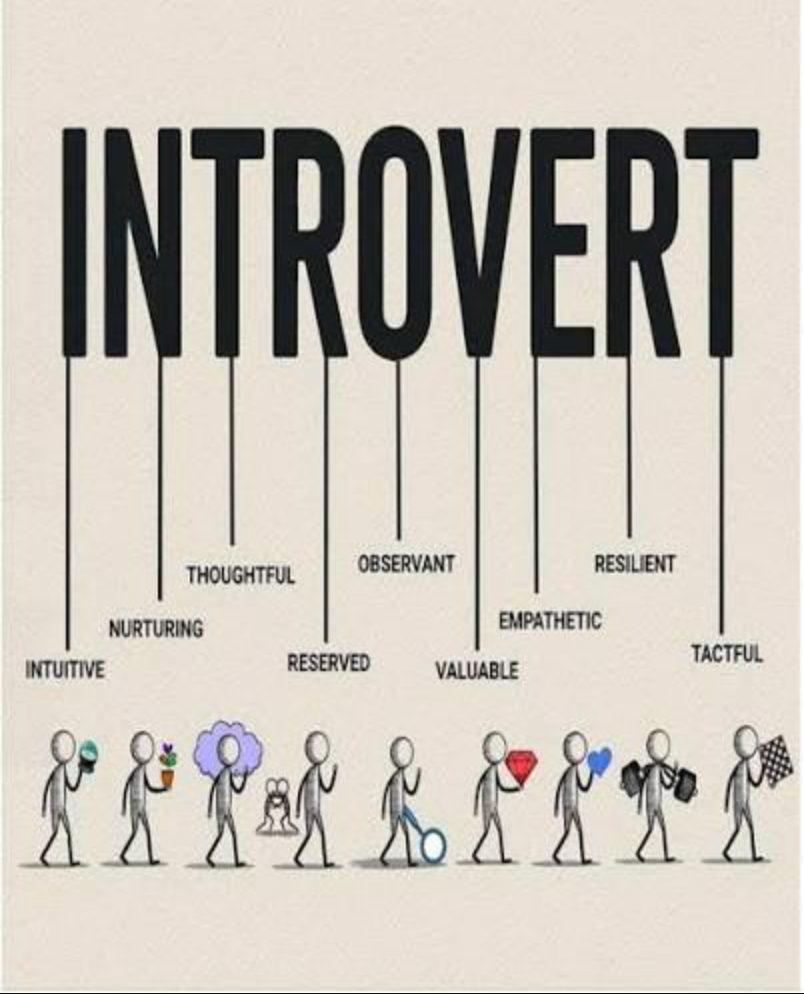
While I love being around people and having opportunities to grow as a leader in my department, having time to myself is crucial to my overall well-being as an introverted person. Working in the emergency department as a charge nurse means that I spend 12 hours straight, oftentimes numerous days in a row, surrounded by people, noise, and constant human interaction. While none of those things are inherently bad, I've come to understand just how important it is for me to have alone time outside of work so that I can take time to reflect and recharge, and ultimately be the best version of myself when I'm back at work. Susan Cain (2012) emphasized this idea when she remarked “Solitude matters. For some people, it is the air that they breathe” (9:30). That thought strongly resonates with me. I do my best thinking in solitude. The majority of my personal reflection and growth happens when I step away from constant activity and stimulation, and take the time to process independently from the busy world around me, often in nature. See the picture below for an example of the type of environments where I do my best reflecting-somewhere on a beach, watching the waves crash upon the sand.

Note: Photograph was taken by the author of this blog
Taking the time to understand my personality has also pushed me to examine the strengths I bring to healthcare leadership. According to NERIS Analytics Limited (n.d.), three of my greatest strengths in my place of work are insightful problem solving, thoughtful communication, and reliable follow through. In my role as an emergency department charge nurse, being able to problem solve is critical. In my approach to problem solving, I look at situations from multiple perspectives before I determine the best way forward. Thoughtful communication is another strength that I identify with. While I’m usually not the first person to speak, I am always intentional about what I say and how I say it. That’s likely why it’s so helpful for me when my manager gives out topics before meetings. Finally, reliable follow through is something I take pride in. When I say I’m going to do something, I do it. Nobody ever worries about whether or not I’m going to get something done.
While my personality assessment helped me to recognize some of my strengths as a person in general and also as a healthcare leader, it also highlighted some opportunities for growth. My three largest areas for growth are that I have a tendency to take criticism personally, I overlook small wins, and I have idealistic expectations (NERIS Analytics Limited, n.d.). I’ve always viewed criticism as something that helps me grow and I don’t feel that I shy away from it. I do, however, tend to internalize it; I want to improve so much that I end up taking criticism home with me and dwelling on it. Another thing I sometimes struggle with is overlooking small wins. I’m the type of person that always wants more. If I reach one goal, I immediately move onto the next; I don’t give myself any time to find pleasure in the win or achievement. Finally, I wholeheartedly identify with my tendency to have idealistic expectations. I hold myself, the people I work with, and the environment around me to very high standards. While these high standards aren’t inherently bad, they can lead me to become frustrated when I feel the current reality doesn’t align with my expectations. Being the type of person that tends to carry everything on the inside, these weaknesses of mine aren’t something I necessarily share with the world. Johari’s Window helped me to reflect on that thought.
Johari’s Window provided me with an interesting way to reflect on the difference between how I see myself and how others perceive me. I especially relate to the hidden area, which represents the parts of ourselves that we know but do not necessarily reveal to others (MindToolsVideos, 2014). One part of myself that I don’t think others always see is just how self-conscious I truly am and how deeply I care about what others think about me. Throughout my life, people have made comments along the lines of “You seem like you don’t care what anyone thinks of you.” That couldn’t be further from the truth. While I’ve become a master at appearing confident and composed on the outside, especially in my role as a charge nurse, on the inside I often find myself questioning whether a decision I made was right or wrong, replaying conversations, and wondering what others think of me.
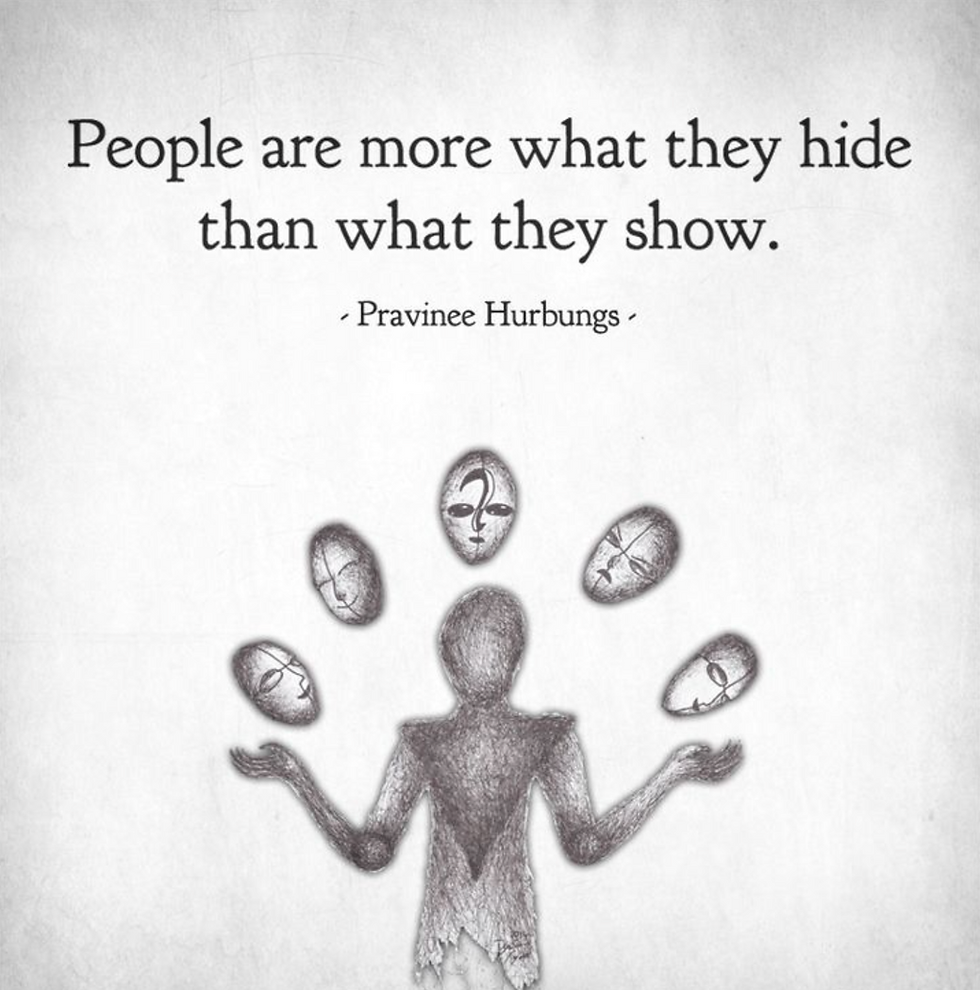
Examining my personality test results through the lens of Johari’s Window helped me to recognize this tendency of mine-a tendency to “fake it til I make it” and keep the more vulnerable parts of myself hidden from the world. It also helped me to recognize that increasing self-awareness is not solely about identifying the qualities I keep hidden, but also about recognizing when allowing others to see the “hidden” parts of myself could help me to become a more authentic leader. Caring deeply about what others think of me is not necessarily a weakness because, in many ways, it connects to my empathetic tendencies, thoughtfulness, and desire to make changes that positively impact others. When taken too far, however, caring about what others think of me can cause me to second-guess myself. As I continue developing as a leader, my goal is to become more comfortable trusting my own judgement while also recognizing that being vulnerable with my peers and the people I lead can help me to become a stronger leader. Understanding the thoughts and emotions I tend to hide can help me recognize why I respond to certain situations in the way that I do, as well as how those responses affect the people I lead. Just as many different qualities and experiences shape me as an individual, there are countless people, relationships, and processes that come together to shape the complex healthcare environment in which I lead.
In the hospital setting, there are countless moving parts composed of people and processes, and they all affect one another. What happens in the emergency department affects the rest of the hospital. A change in one department, either intentionally or unintentionally, affects other departments. This is a prime example of complexity science and systems thinking. According to Wright (2024), “Complexity science, and its systems thinking component, examines systems or models whose simple parts interact in multiple ways” (p.1). Applying that thought to my place of work, my hospital consists of everything from clinical staff to environmental services. If a change happens in one department, it affects every other part of the system. If an environmental services worker calls in sick, for example, the time it takes dirty rooms to be cleaned is extended. If a hospitalist provider calls in sick, patient discharges don’t happen as quickly. In both cases, patient flow is interrupted. These are just a couple of examples, but they demonstrate how the hospital functions as a system of seemingly endless, interrelated parts. When every part works together, the hospital is operating at its peak and patient flow is optimized. When even just one part falls off track, however, the effects spread throughout the rest of the system.
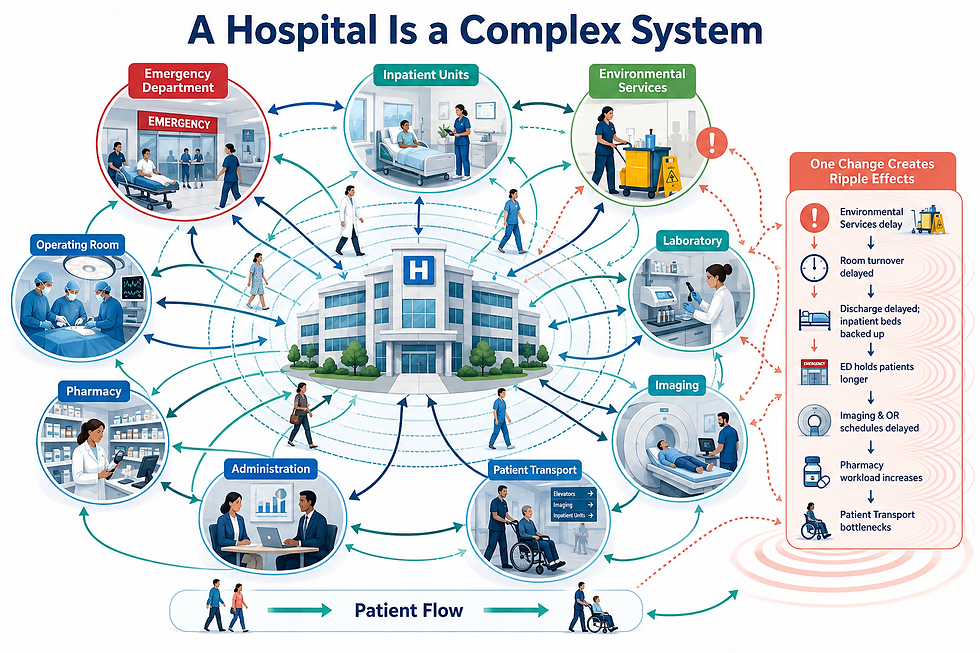
Note: This is an AI-generated image
To sum things up, taking the time to explore my personality type, including my strengths and weaknesses, and contemplating how different parts of my personality fit into Johari’s Window have ultimately aided me in understanding who I am as a healthcare leader and the leader I strive to become. My introverted tendencies, as well as my qualities of empathy and thoughtfulness, influence how I think, communicate, and make decisions. Although my self-consciousness and tendency to second-guess myself sometimes create barriers for me as a leader, they also present opportunities for growth. Looking at complexity science and systems thinking, I realize that hospital departments do not function in isolation; they are all interconnected. Just as every individual person and process contributes to the functioning of a healthcare system, every aspect of my personality influences the way I lead. Going forward, I will strive to become more self aware every day, learning to trust my judgment and embrace vulnerability in my pursuit of becoming a leader who is authentic, adaptable, and a steward of positive change for the people that I serve.
References
Cain, S. (2012, February). The power of introverts [Video]. TED Conferences. https://www.ted.com/talks/susan_cain_the_power_of_introverts
MindToolsVideos. (2014, August 19). The Johari window [Video]. YouTube.
NERIS Analytics Limited. (n.d.). INFJ personality (Advocate). 16Personalities. https://www.16personalities.com/infj-personality
Wright, M. (2024). A need for systems thinking and the appliance of (complexity) science in healthcare. Future Healthcare Journal, 11(4), 1-4. https://doi.org/10.1016/j.fhj.2024.100185


Comments